
Understanding Grip Weakness
Learn key personal safety concepts around grip weakness, physical boundaries, and why de-escalation and safe exit are the primary goals in threatening encounters.
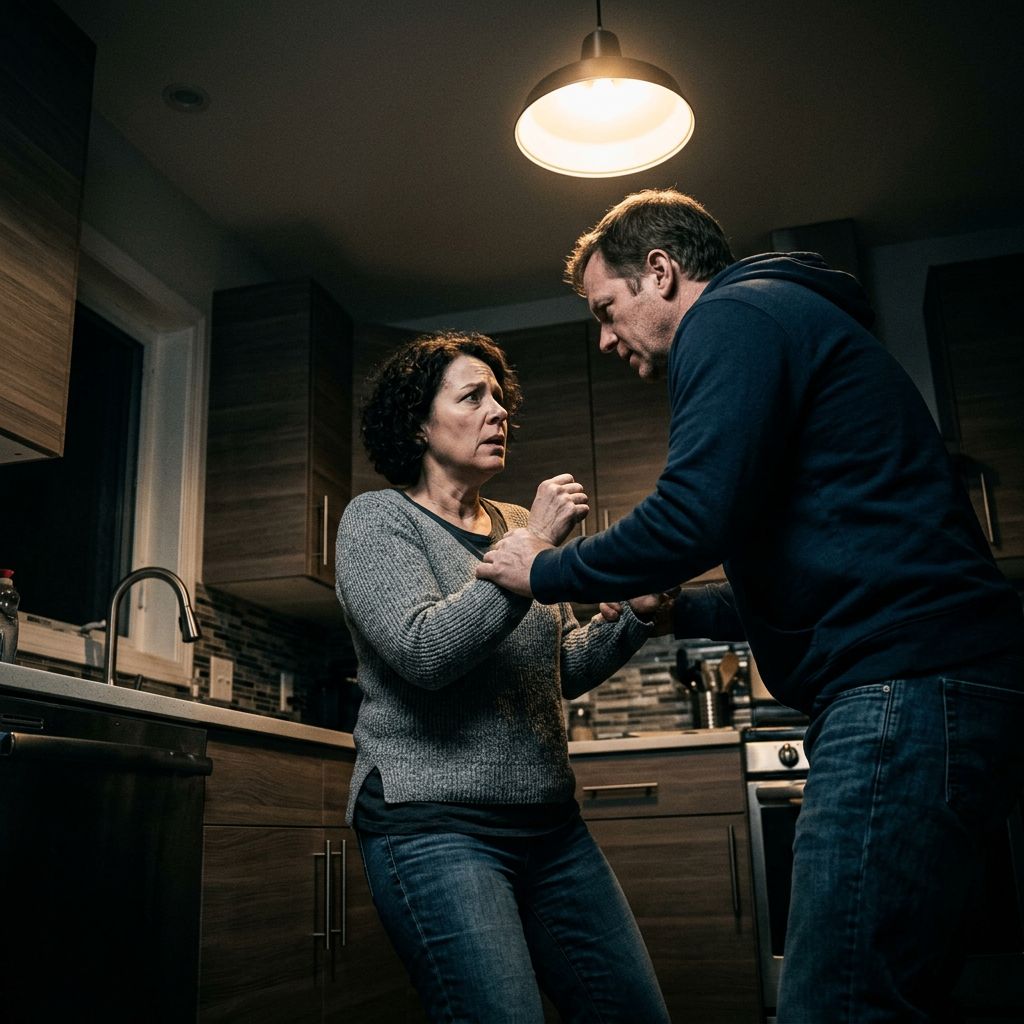
Concepts for Personal Safety and Physical Boundaries
When discussing personal safety, the focus is often on avoiding conflict and finding the most effective way to reach safety.
Understanding the basic mechanics of how physical holds work can be helpful, but it is important to remember that real-world situations are unpredictable.
Professional instruction such as that provided by Charlie and his team at MINDSET is the best and safest way to develop these skills.
Understanding Grip Weakness
In general terms, every physical grip has a point of least resistance.
An attacker's hand's grip is strongest where the fingers wrap around an object and press into the palm.
Conversely, the weakest point of any grip is typically the area where the thumb and fingers meet.
Applying the Principle in Wrist and Forearm Holds
In a situation where someone is being held by the wrist or forearm, attempting to pull directly against the strength of the fingers is often ineffective.
Instead, physical safety principles suggest that moving toward the opening between the thumb and the fingers requires significantly less force.
This is a common concept taught in many martial arts, safety courses and combative classes.
Prioritising De-escalation and Exit
The primary goal in any threatening encounter is to create distance and leave the area.
Breaking a hold is only the first step; the priority remains escaping to a secure, public, or well-lit location as quickly as possible.
Defensive strategies emphasise that engaging in a physical struggle is a last resort, as the safest outcome is always to avoid or exit the confrontation entirely.
Seek Qualified, Safe Instruction
To gain a deeper understanding of these techniques and to practice them safely, it is recommended to seek out qualified self-defence instructors, such as those at MINDSET Self-Defence and Close Quarters Combat.
They can provide hands-on training, explain the many different aspects of self-defence, and help develop the skills and muscle memory needed to react calmly under pressure.